Your Perfect Color Season: How to Use the Viral Color Analysis Trend to Shop for Formalwear
September 27, 2026
By The Dress Outlet Team
1 Min Read
Quick Answer
The viral color analysis trend taking over social media is more than just a fun filter; it is the ultimate cheat code for finding a dress that makes your skin glow. By identifying whether your undertones are warm or cool and determining your contrast level, you can lock into your specific "season": Spring, Summer, Autumn, or Winter. Using this color theory to shop for formalwear eliminates the guesswork, ensuring you choose shades that naturally enhance your features rather than washing you out.
Color Theory
Undertone Match
Viral Aesthetics
Flawless Glow
✦
Quick Answer
The viral color analysis trend taking over social media is more than just a fun filter; it is the ultimate cheat code for finding a dress that makes your skin glow. By identifying whether your undertones are warm or cool and determining your contrast level, you can lock into your specific "season": Spring, Summer, Autumn, or Winter. Using this color theory to shop for formalwear eliminates the guesswork, ensuring you choose shades that naturally enhance your features rather than washing you out.
Color Theory
Undertone Match
Viral Aesthetics
Flawless Glow
01
Decoding the Viral Color Trend
If you have opened TikTok or Instagram recently, you have undoubtedly seen the viral color analysis filters placing people into specific "seasons" based on their natural complexion. While it is fun to play with digitally, applying this color theory in real life is a total game-changer for your wardrobe. We have all experienced the frustration of trying on a stunning gown that looks beautiful on the hanger, only to realize it completely washes out our skin tone once we put it on. Instead of relying on guesswork, leaning into your personalized color season is the ultimate W for your event prep.
Sourcing beautifully curated formal dresses that align perfectly with your natural undertones guarantees that you do not just look good you look positively radiant. This strategic mindset shift ensures you always serve pure main-character energy across the LA event scene, drawing attention to your glowing features rather than letting a clashing fabric steal the spotlight. Understanding your color season is the secret to buying a dress that feels custom-made for your exact vibe.
02
Color Inspiration
Liquid Mercury
Stardust Gold
Gilded Apricot
Velvet Crimson
Baby Blue Satin
Crimson Sparkle
02
The Foundation: Finding Your Undertone and Contrast
Before you can declare yourself a "Deep Autumn" or a "Clear Winter," you need to figure out your skin's underlying tones and your natural contrast levels. This is the structural foundation of the entire color analysis trend.
The Vein and Jewelry Tests: Discovering your base undertone (warm, cool, or neutral) is step one. Look at the veins on the inside of your wrist in natural sunlight. If they look green, you have warm undertones. If they lean blue or purple, you are cool-toned. Alternatively, think about which jewelry makes your skin look healthier. If gold makes you glow, you are warm; if silver makes you pop, you are cool. When shopping for intricate evening gowns, knowing this base rule helps you decide between a dress with silver beadwork versus one with gold sequins.
Determining Your Contrast Level: Contrast refers to the difference in darkness between your hair, eyes, and skin. If you have very pale skin and jet-black hair, you have high contrast (typical of Winters). If your hair, eyes, and skin tone are all very similar in depth like light blonde hair and fair skin, or deep brown skin with dark eyes you have lower contrast. High-contrast individuals look incredible in bold, highly saturated colors, while low-contrast individuals shine in softer, more muted, or monochromatic palettes.
Neutral Territory: If your veins look like a mix of blue and green, and you look equally stunning in both gold and silver jewelry, you might be a true neutral. Neutrals have the flexibility to pull from both warm and cool palettes, but they usually lean slightly toward one side depending on the time of year and their level of sun exposure.
VS
03
Fabric and Sizing Strategy: Nailing the Fit
Once you have your undertone (warm/cool) and your contrast (light/dark) figured out, you can officially lock in your season and start shopping with laser focus.
Spring (Warm and Light): Spring complexions have warm, golden undertones mixed with lighter hair and eyes. You look your absolute best in fresh, clear, and vibrant colors that reflect a blooming garden. When hunting for the perfect event look or browsing prom dresses, reach for shades like bright coral, warm peach, golden yellow, and true turquoise. Avoid harsh, heavy colors like stark black or deep plum, which can easily overpower your delicate natural glow.
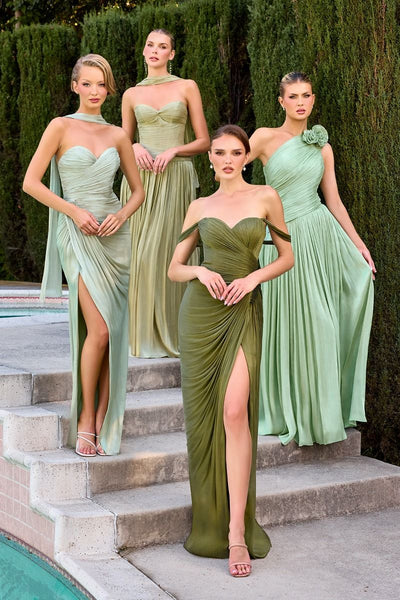
Summer (Cool and Light): Summer complexions feature cool, pink or blue undertones paired with lighter hair and softer contrast. Your power lies in muted, dusty, and pastel shades that provide a romantic, ethereal vibe. Opt for dusty rose, powder blue, soft lavender, and cool sage green. Stay away from highly saturated, neon, or overly warm colors like bright orange or mustard yellow, as they will aggressively clash with your cool undertones.
Autumn (Warm and Deep): Autumns possess rich, warm, golden undertones with darker hair or eyes, creating a deeply earthy aesthetic. You are destined to wear the rich, spicy colors of a fall landscape. Gowns in rust red, burnt orange, olive green, mustard, and warm terracotta will make your skin absolutely sing. Try to avoid icy pastels or bright, cool-toned pinks, which can make your gorgeous, warm complexion look slightly grayish or tired.
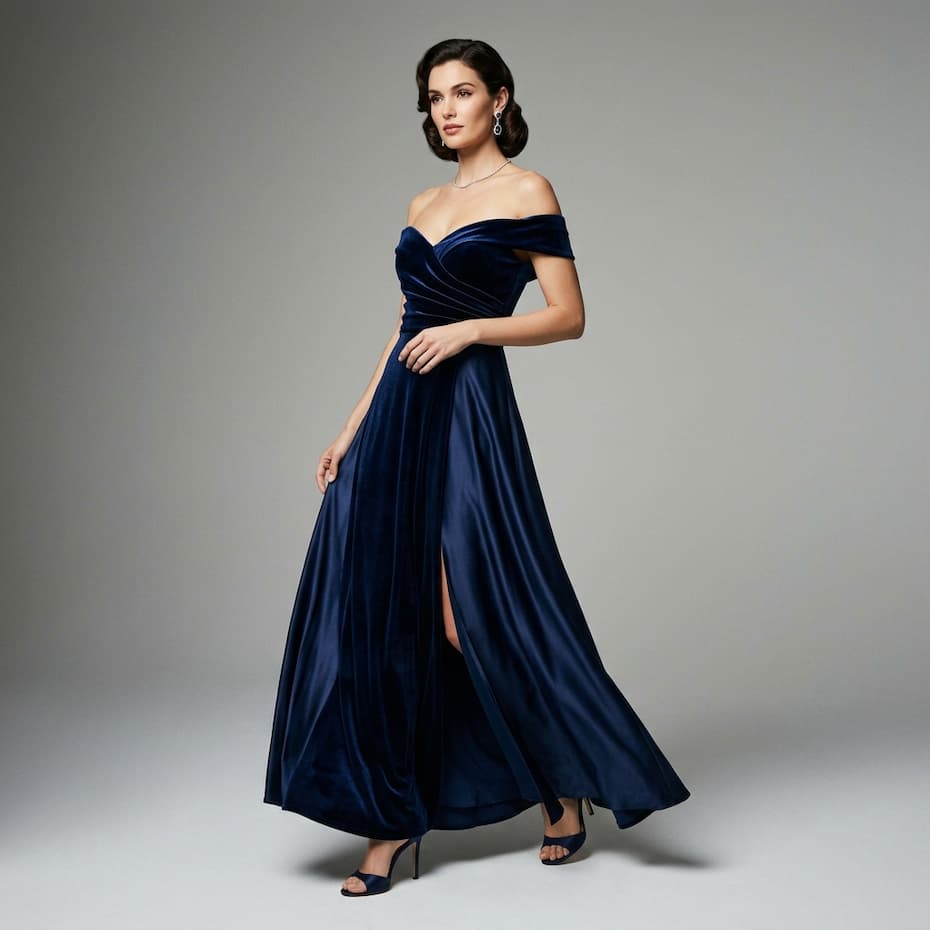
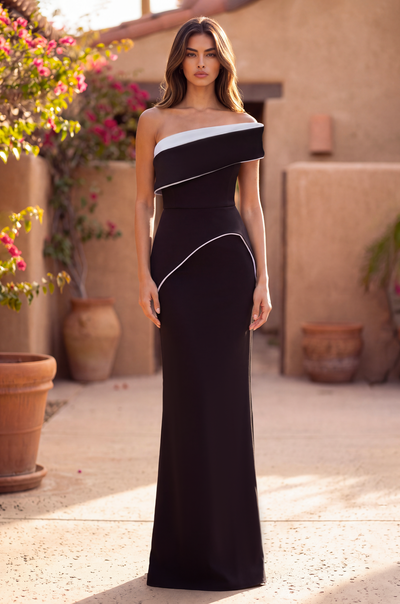
Winter (Cool and Dark/Bright): Winters have cool undertones paired with high contrast (like dark hair and fair skin, or deep, cool-toned dark skin). You are the only season that naturally looks completely flawless in pure, stark black and crisp, bright white. Your wardrobe should be packed with bold, highly saturated jewel tones like royal blue, true crimson red, emerald green, and vivid magenta. Avoid muted, earthy tones like beige or rusty orange, which will dull your striking natural contrast.
What if I want to wear a color that is not in my season?
You absolutely still can! The trick is to keep the "wrong" color away from your face. If you love a dress in a color outside your season, opt for a lower neckline and use makeup or statement jewelry in your correct season to balance the look near your complexion.
Does a spray tan change my color season?
A spray tan can temporarily add warmth and depth to your skin, sometimes allowing a Summer to pull off Spring colors, but it does not fundamentally change your core, genetic undertone.
Can I be a mix of two different color seasons?
Yes. Many people fall on the cusp of two seasons, such as a "Dark Autumn" who can successfully borrow some of the deep jewel tones from the "Winter" palette.
Why does pure white look terrible on me, but cream looks great?
Pure, stark white is a cool-toned Winter color. If you have warm undertones (Spring or Autumn), stark white will wash you out, while a warm ivory, cream, or champagne will look incredibly flattering.
How do I shop online when screen colors look different from real life?
Always read the color description carefully rather than just relying on the photo. If the description says "warm coral," trust the text. Additionally, order fabric swatches if the retailer offers them, or check customer photo reviews to see the dress in natural lighting.
07Written By
By The Dress Outlet Team
Fashion experts sharing styling tips, trends, and inspiration to help you look and feel your best on every special occasion.