Skip to content

Cart

choosing prom dress colors

The Lighting Simulator: How Your Dress Color Translates from Golden Hour to the Dance Floor

September 10, 2026
By The Dress Outlet Team
1 Min Read

Quick Answer

The dress that looks perfect in your golden hour photos can look completely different once the DJ starts and the lights change. Warm sunset light flatters almost everything, but club lighting, strobes, and black light can wash out, oversaturate, or flat-out change a color. Here's how to pick a shade that holds up in both settings instead of surprising you at 9 PM.


Golden Hour Glow
Dance Floor Test
Color Shift Risks
All-Night Ready
The Lighting Simulator: How Your Dress Color Translates from Golden Hour to the Dance Floor
Detail Image
THE DRESS OUTLET EXCLUSIVE STYLE GUIDE

Quick Answer

The dress that looks perfect in your golden hour photos can look completely different once the DJ starts and the lights change. Warm sunset light flatters almost everything, but club lighting, strobes, and black light can wash out, oversaturate, or flat-out change a color. Here's how to pick a shade that holds up in both settings instead of surprising you at 9 PM.


Golden Hour Glow
Dance Floor Test
Color Shift Risks
All-Night Ready
Introduction Model
01

The Lighting Simulator Breakdown

Every prom and wedding season, the same thing happens. Someone finds the perfect dress for their golden hour photoshoot, gets the dreamy sunset pictures, and then walks into the reception under fluorescent uplighting or a strobing dance floor and the color reads totally different on camera and in person. That's not bad luck, it's basic color science. Sunlight, LED uplighting, disco balls, and black light all hit fabric differently, and some colors survive the transition far better than others.

Think of it like a lighting simulator for your outfit. Golden hour is warm, soft, and forgiving, while a dance floor is often cooler, harsher, and constantly changing color. Let's break down which dress shades hold their integrity across both, so your look doesn't peak in the first hour of photos and fade for the rest of the night.

02

Color Inspiration

Buttercream
Midnight Mesh
Toasted Almond
Cyan Spark
Liquid Gold
Metallic Mint
02

The Golden Hour Naturals

Introduction Model

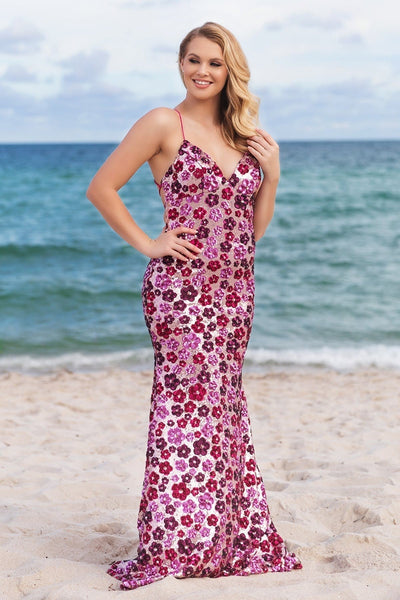
These colors are built for warm, low-angle sunlight and outdoor portraits.

  • Terracotta and rust dresses: Warm light amplifies warm tones, so these colors practically glow during sunset shots without needing any editing.
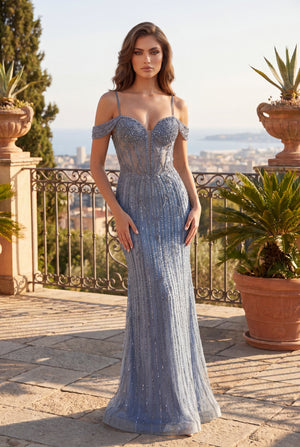
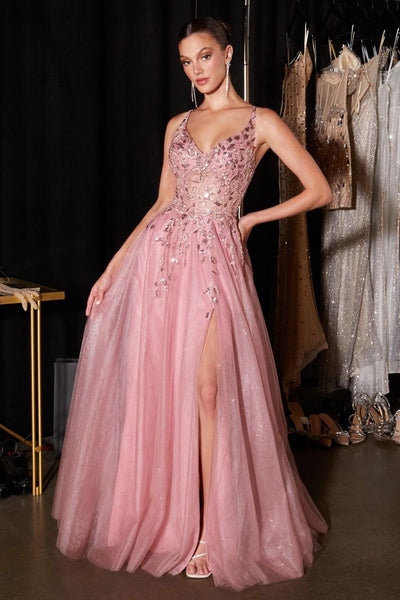
  • Champagne and blush gowns: Soft neutrals pick up the golden light beautifully and photograph as luminous instead of washed out.
  • Sage and olive green dresses: These earthy tones blend with natural backdrops and hold their richness even as the light gets lower and more orange.
VS
03

The Dance Floor Survivors

Introduction Model

Once you're indoors under moving lights, strobes, and colored uplighting, a different set of shades performs best.

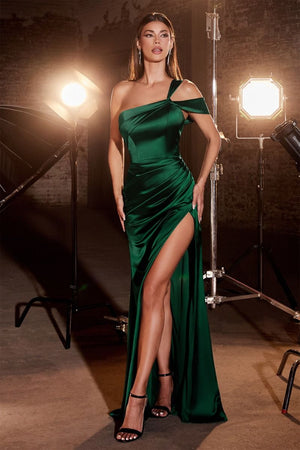
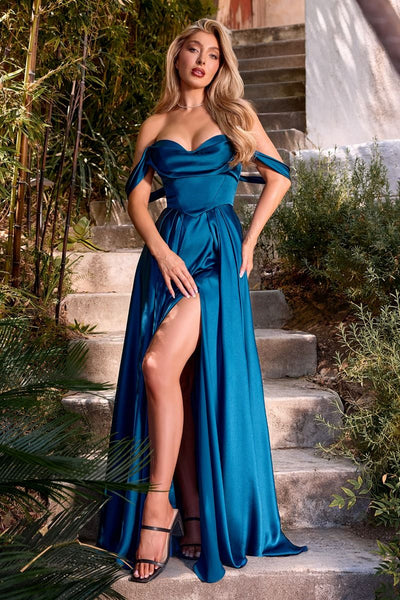
  • Deep jewel tones: Sapphire, emerald, and ruby hold their saturation under changing colored lights instead of flattening out into a dull gray.
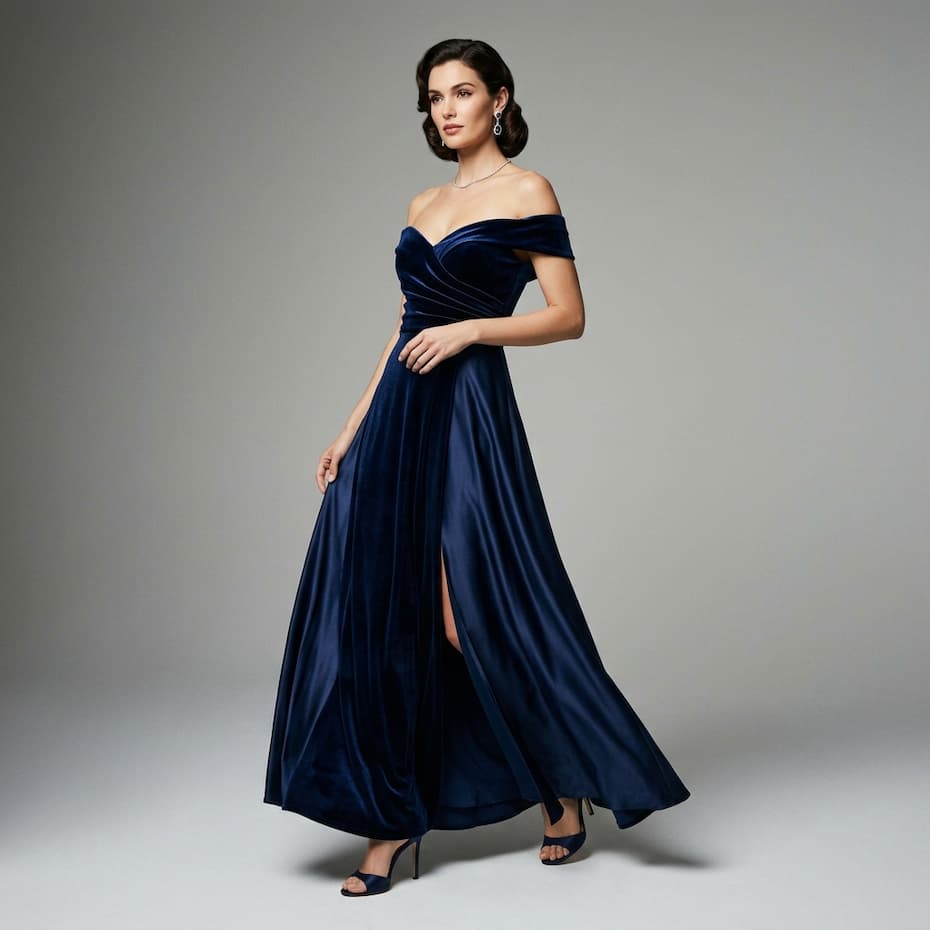
  • Rich black and navy dresses: These absorb erratic lighting instead of reflecting it, so they stay consistent no matter what color the DJ booth is throwing that song.
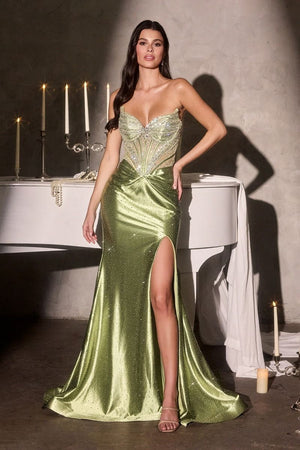
  • Metallic accents in small doses: A little shimmer catches strobe light in a flattering way, though too much can turn into a distracting glare under flash photography.

The Golden Hour vs. Dance Floor Color Guide

Color/Fabric

Golden Hour Performance

Dance Floor Performance

Best Choice For

Terracotta and rust

Excellent, glows in warm light

Good, holds warmth under most lighting

Outdoor ceremony into indoor reception

Deep jewel tones

Good, rich and photogenic

Excellent, stays saturated under color changes

All-night events with mixed lighting

Pale pastels

Excellent, soft and luminous

Poor, tends to wash out

Daytime or outdoor-only events

Neon and highlighter

Poor, looks flat in daylight

Excellent under black light

Night clubs and black-light parties

Black and navy

Good, classic and versatile

Excellent, absorbs erratic lighting

Any event with unpredictable lighting


05

Shop The Look

06

Frequently Asked Questions

Why does my dress color look different indoors than it did outside?
Natural sunlight and indoor lighting have completely different color temperatures. Sunlight is generally warmer and more even, while indoor venues often mix cool LEDs, colored uplighting, and strobes, all of which can shift how a fabric's color is perceived.
What colors are safest if I don't know what the venue lighting will look like?
Deep, saturated tones like navy, emerald, and black tend to be the safest bet. They don't rely on specific lighting to look good, so they hold up whether you're outside at sunset or under a shifting dance floor light rig.
Do fabric types matter as much as color when it comes to lighting?
Yes. Matte fabrics like crepe and jersey tend to stay consistent across lighting changes, while high-shine fabrics like satin and sequins can look completely different depending on how much light they're reflecting back into the camera.
Will pastel colors always wash out under dance floor lighting?
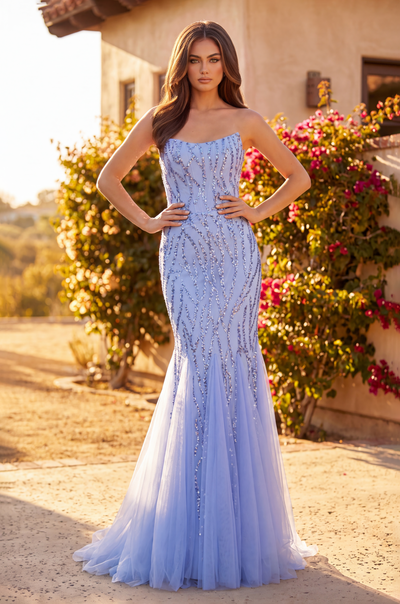
Not always, but they're more likely to. Cooler, whiter lighting tends to flatten pale colors, so if you love a pastel shade, consider one with a bit more saturation or depth to help it hold its color indoors.
Is it worth choosing a dress color based on the event's lighting plan?
If you know the event moves from an outdoor ceremony to an indoor reception with dance floor lighting, it's worth thinking about. A shade that performs well in both settings means you won't have a color-shift surprise halfway through the night.
Author avatar
07 Written By

By The Dress Outlet Team

Fashion experts sharing styling tips, trends, and inspiration to help you look and feel your best on every special occasion.

Find a Dress That Holds Up All Night

Stop choosing a color that only works for one hour of pictures. Shop shades built to look good from sunset through the last song.

Shop All-Night Colors →